
Editor
Eugene Serbin
Systems Analyst and AI Engineer, Semalt
Eugene Serbin is a systems analyst and AI engineer at Semalt. He graduated with honours from Kharkiv National University of Radio Electronics in 2005, specialising in intelligent decision-making systems, and holds a second degree from the same university in economic cybernetics. He writes and edits the AI research summaries, applied machine learning explainers and the glossary on ai-magazine.com.
Education: Kharkiv National University of Radio Electronics
Covers: Artificial intelligence, Machine learning, Intelligent decision-making systems, Natural language processing, Search engine optimization
139 articles and 254 glossary entries on ai-magazine.
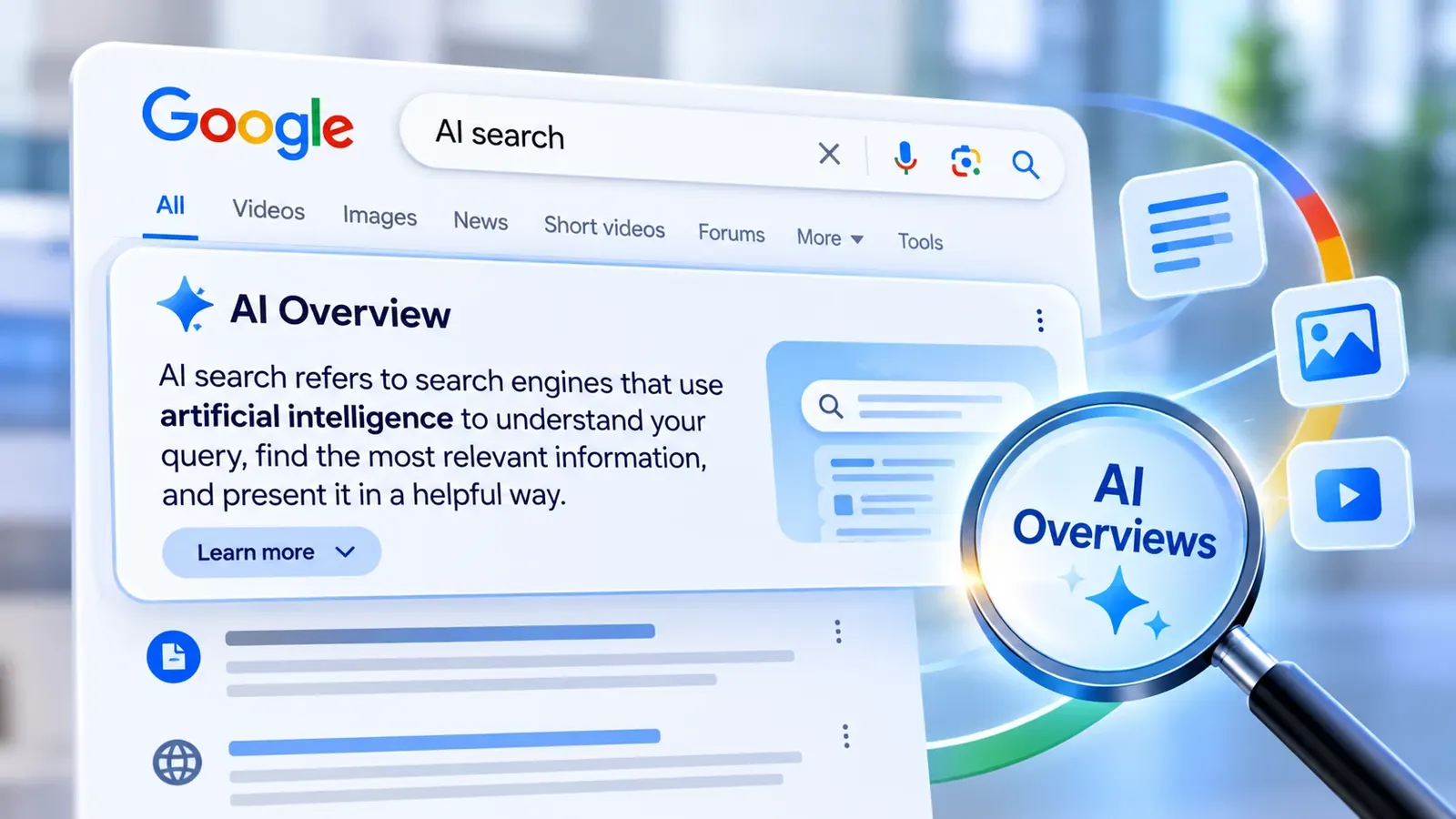
AI Search: How AI Is Changing Search Results, Website Traffic and Marketing
AI search means getting an answer written by an AI model instead of, or on top of, a list of links. It now comes in two forms. Search engines add AI answers to their own…

Is AI a Bubble? What the Spending, the Cash and the Markets Say
Is AI a bubble? Parts of it behave like one, and the rest is a very large bet that is still mostly paid for out of profits, though less so every quarter. As of November…

AI Data Centers: What They Are, Where They Are Being Built, and What They Cost
An AI data center is a data center built to train and run AI models. It holds thousands to hundreds of thousands of specialised chips, mostly Nvidia GPUs and Google…
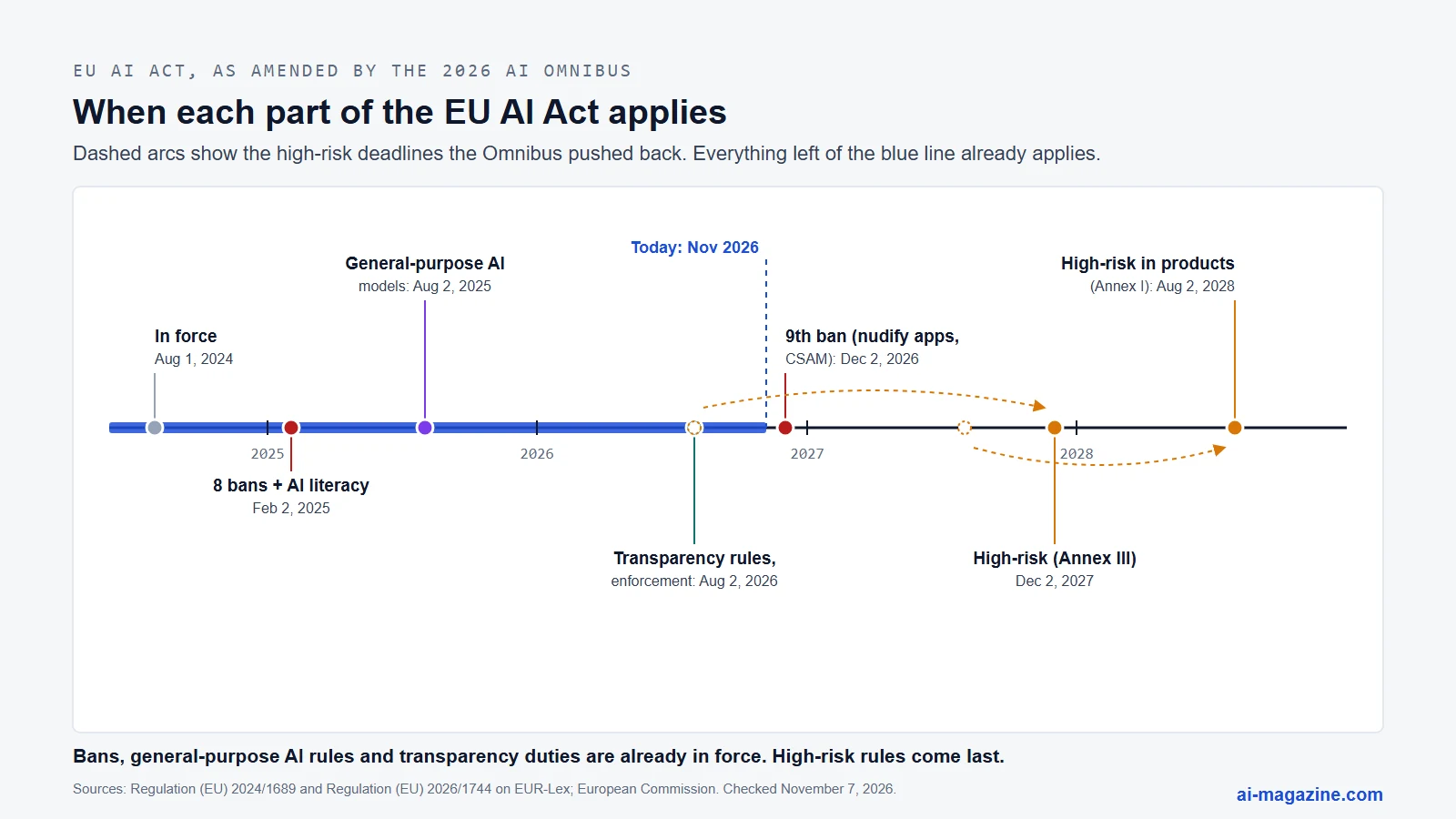
The EU AI Act Explained: Risk Categories, Deadlines After the 2026 Omnibus, and Fines
The EU AI Act is the European Union's law on artificial intelligence, Regulation (EU) 2024/1689. It sorts AI uses by the harm they can cause: a short list of practices…
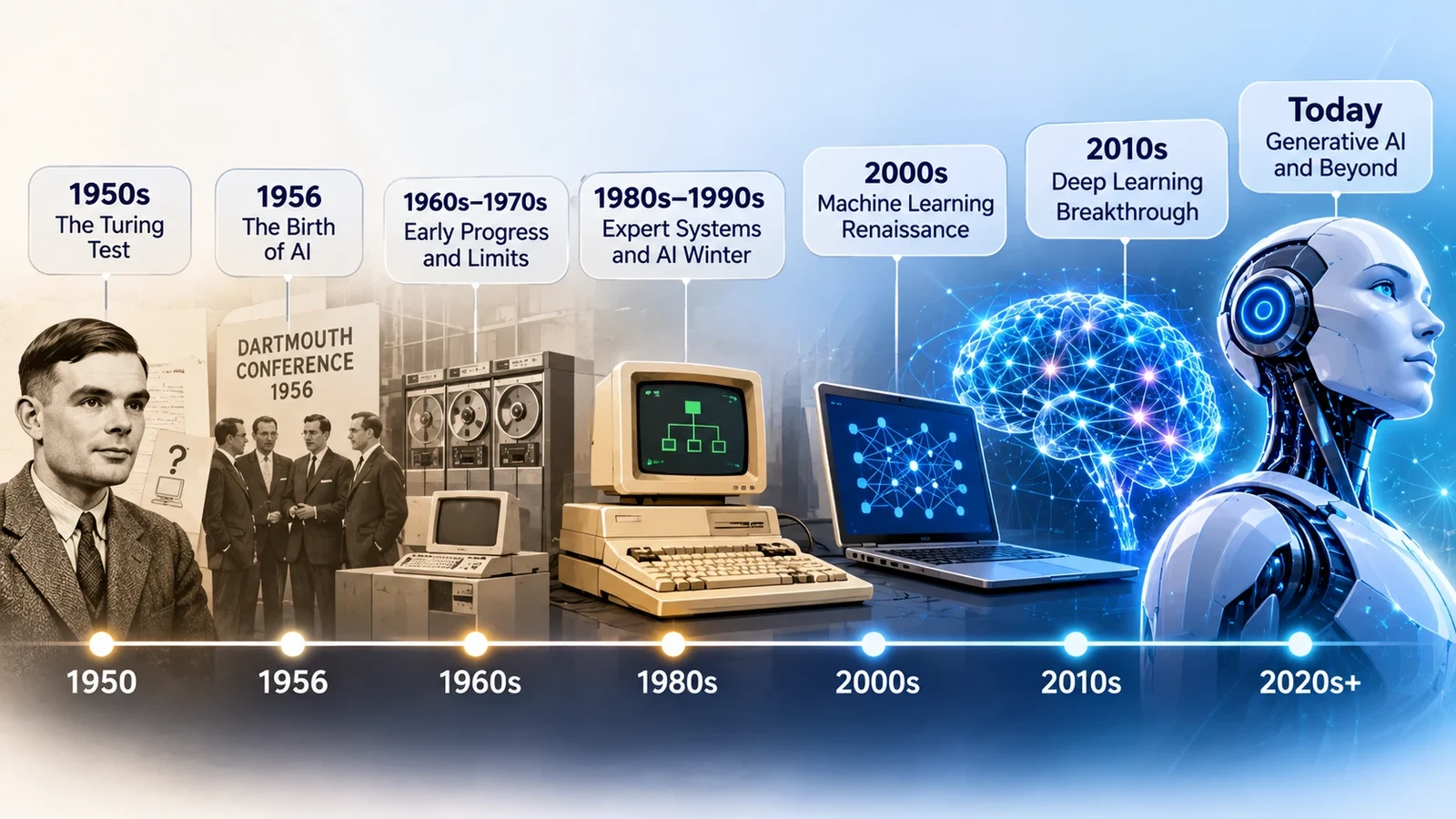
The History of Artificial Intelligence: From Turing to the LLM Boom
No single person invented artificial intelligence. The name comes from a proposal dated August 31, 1955, written by John McCarthy, Marvin Minsky, Nathaniel Rochester and…

How Does AI Work? A Plain-English Guide, From Training to the Answer on Your Screen
How does AI work? Most modern artificial intelligence learns patterns from huge numbers of examples, then uses those patterns to predict: the next word, the likely…

Types of AI: The 3, 4 and 7 Types Explained, and Which Ones Actually Matter
There is no single official list of the types of AI . Popular pages give you three, four, seven or even fifteen because they sort artificial intelligence along different…

The Best ChatGPT Alternatives in 2026: Free and Paid AI Chatbots Compared
People look for ChatGPT alternatives for good reasons: a tighter budget, a privacy policy they don't like, a need for sources and citations, or simply a different model…

AI in Medicine (2026): What Happened to the 'Medical Revolution' and What Works Now
In 2022, this page ran under the title "Artificial intelligence is shaping a new medical revolution". It was built on four stories: an AI called BioMind beating 15…

Machine Learning vs Deep Learning: The Real Differences and When to Use Each (2026)
Deep learning is a subset of machine learning that uses many-layered neural networks to learn its own features from raw data. Classical machine learning works best on…